Author: David Cormier
-
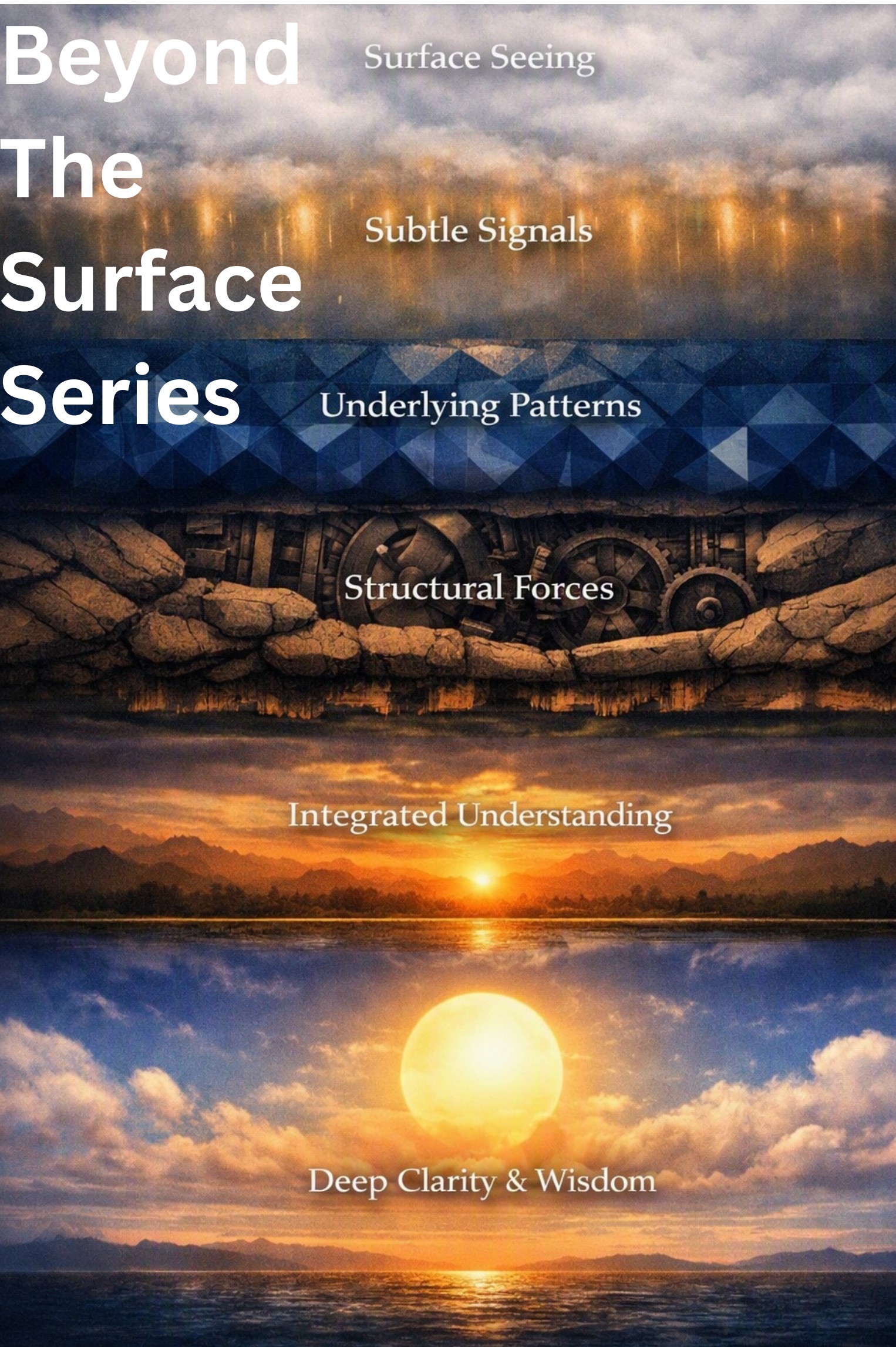
Beyond the Surface
Welcome to Beyond the Surface. Let’s lift the fog — one layer at a time. You’ve been moving through a world that moves fast, demands certainty, and rarely gives you the space to think clearly. Most people live on the surface without realizing it — reacting, assuming, filling in gaps with whatever feels familiar. But…
-
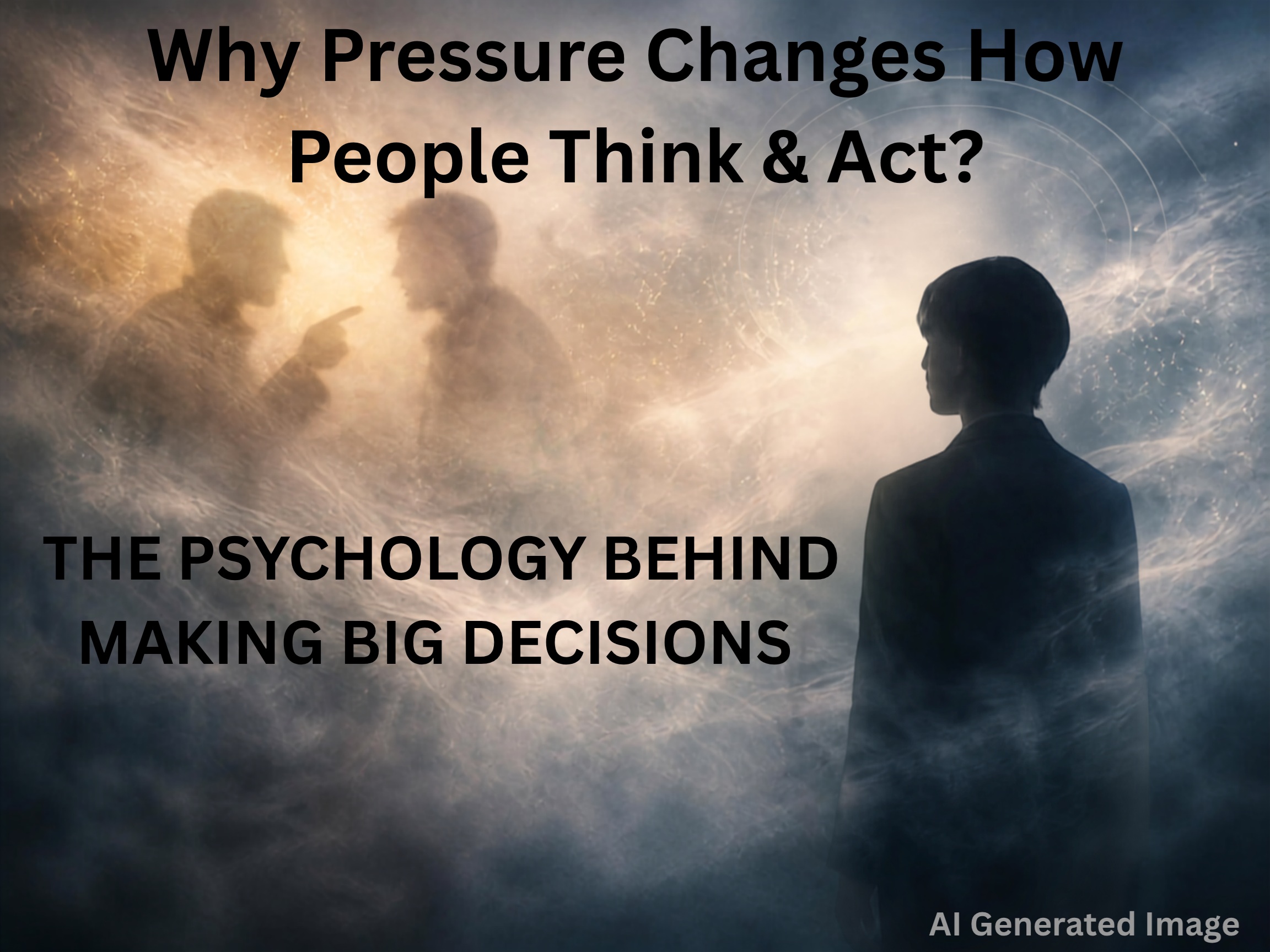
THE PSYCHOLOGICAL FORCES AT PLAY WHEN SOMEONE HOLDS POWER TO SHAPE AN OUTCOME
A reflection on pressure, perception, and human decision making. When someone carries responsibility for an outcome, the dynamics they navigate are not only strategic — they are psychological. Pressure activates subtle forces that shape how people interpret risk, conflict, and responsibility, often without conscious awareness. Understanding these forces offers steadiness, clarity, and a way to…
-

How to Hold Power Without Being Consumed by It – (Part 5 of 5)
We have talked about what it feels like to lose power, how you rebuild your sense of control, and how power can become dangerous when it goes too far. The real question was never “Should you have power?” The real question is “How do you hold power without letting it take over your life?” This…
-

How Power Can Intoxicate You – (Part 4 of 5)
In Part 3, I explained how power can heal. When you regain control over your environment, your brain works better, inflammation drops, and your thinking becomes clearer. But here’s the hard question: if power helps us, why does it break so many people who have it? The answer is simple. The same brain systems that…
-

Restored Power (Part 3 of 5)
Part 3: Restored Power — What Power Actually Does: The Biology of Having Power In Part 2, we talked about what happens to your body when you feel powerless. Stress builds up. Your brain struggles. Your health declines. Now we flip the question: What happens when you get control back? What does having power actually…
-
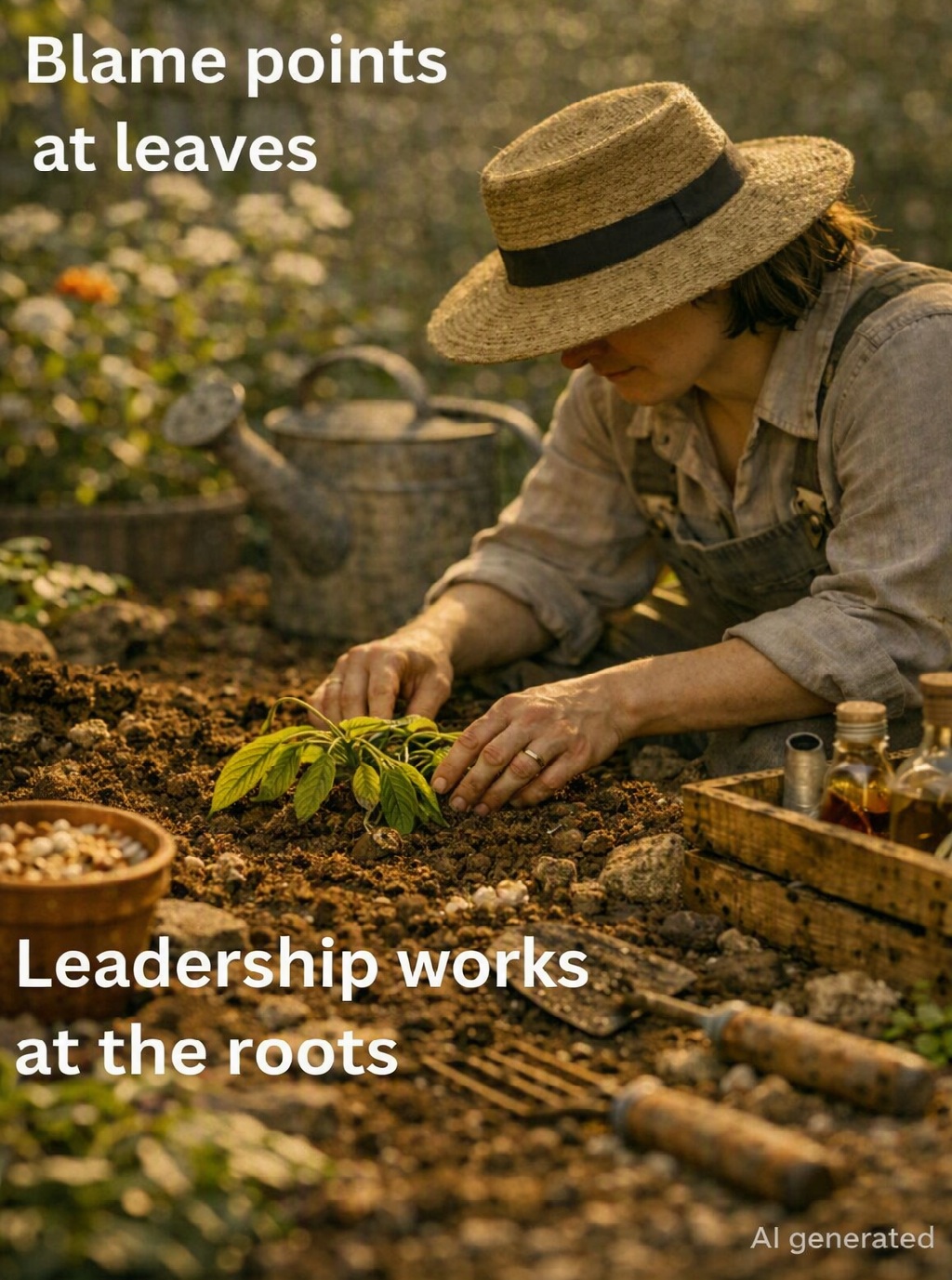
Finger Pointing (Blame) Series Part 4
This is the last part of the Finger Pointing (Blame) series. In Part 1, we looked at why the brain quickly tries to find someone to blame. In Part 2, we talked about how responsible leaders take that energy and turn it toward solutions. In Part 3, we showed how blame can be used to…
-
The enemy we’re taught to see
I was seventeen when Tom broke my nose on the school bus. Blood dripping down my jacket. The bus going silent. The driver yelling. I remember thinking I should hit him back. That was the code. Someone hits you, you hit them harder. But I didn’t. I’d been in enough fights to know how they…